
On Sunday, November 1, at 2 a.m., the clocks fall back one hour and daylight saving time ends for the year. That extra hour of sleep sounds great, but the time change also makes your daily drive different overnight. Your evening commute will suddenly happen in the dark, and your body will need a few days to adjust.
That’s why daylight savings time driving safety is worth thinking about now. Here’s what changes on the road and how to protect yourself and your vehicle.
Daylight Saving Time Ends: How it Impacts Driving Safety
The time change seems small, but it changes how and when you drive. On Friday, you might drive home in daylight. By Monday, that same drive happens at dusk or after dark.
Research has linked the weeks after the fall time change to a rise in evening crashes, especially crashes involving people on foot. Drivers are on the road at the same time of day as always. The difference is that it’s now dark, and many drivers haven’t adjusted yet.
Darkness makes it harder to judge distance and speed. It also makes it harder to spot people, animals, and hazards in the road. When you add busy rush-hour traffic, the chances of a collision go up.
Darker Evening Commutes Mean Less Visibility
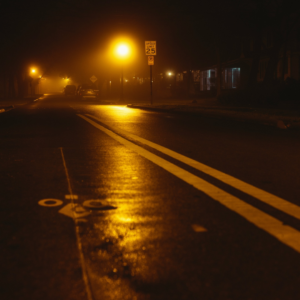
Your evening commute is where you’ll notice the biggest change. Less light means you have less time to react to what’s ahead.
Pedestrians and cyclists are much harder to see after dark, especially if they’re wearing dark clothing. Kids walking home from activities may also be out later than the daylight lasts. Slow down in neighborhoods, near schools, and anywhere people are likely to cross.
Make sure other drivers can see you, too. Turn on your headlights early, well before it’s fully dark. Clean your headlights so dirt and grime don’t dim them. Keep your windshield clean inside and out, since a dirty windshield spreads the glare from oncoming headlights.
Watch for Deer at Dawn and Dusk
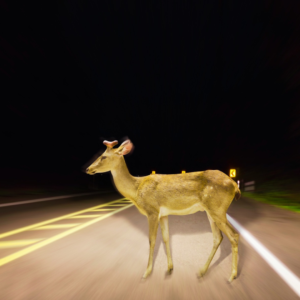
In the Ozarks, the time change lines up with peak deer season. Deer are most active in October and November, and they move most at dawn and dusk.
After the clocks fall back, many evening commutes now happen right in that dusk window. That means more drivers are on the road at the same time deer are crossing.
Stay alert on rural roads and wooded stretches. Use your high beams when there’s no oncoming traffic. If you see one deer, slow down, because more are often close behind.
Follow these guidelines when driving in deer-prone areas. Remember, swerving can send you into oncoming traffic, a ditch, or a tree. Those crashes are often far more dangerous than hitting the deer.
Plan for Sun Glare on Your Commute
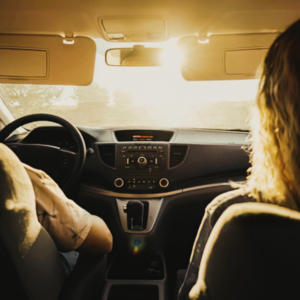
Fall brings a lower sun, and the time change shifts when that sun is in your eyes. Depending on your route, you may now face bright glare during your morning or afternoon drive.
Glare can blind you for a few seconds, which is long enough to miss brake lights or a stopped car. Keep a pair of sunglasses in your car and use your sun visor. A clean windshield also helps, since streaks and smudges make glare worse.
If glare makes it hard to see, slow down and leave extra space between you and the car ahead. That gives you more time to react if traffic stops suddenly.
Drowsy Driving After the Time Change
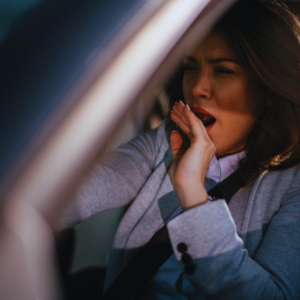
Even when you gain an hour, the time change can throw off your body clock. You may wake up earlier than usual or feel tired sooner in the evening. It can take several days to feel normal again.
Drowsy driving slows your reaction time, much like impaired driving does. It also makes it harder to stay focused on the road.
Try to keep a regular sleep schedule in the days after November 1. If you feel tired behind the wheel, pull over somewhere safe and rest. Turning up the radio or rolling down the window won’t fix fatigue.
Simple Steps to Prepare for the Change
A little preparation can make the switch much easier. These quick steps help you see clearly and stay in control after the clocks change:
- Clean your windshield, windows, and mirrors inside and out.
- Check that your headlights and taillights are clean and working.
- Replace worn wiper blades before fall rain picks up.
- Keep sunglasses in the car for glare.
- Leave a few minutes early so you’re not rushing in the dark.
- Put your phone away before you start driving.
What to Do If You’re in an Accident
Even careful drivers can end up in a collision. Knowing what to do ahead of time makes a stressful moment easier to handle.
First, move to a safe spot if you can and turn on your hazard lights. Check for injuries and call for help if needed. Trade insurance information with the other driver, but don’t admit fault at the scene. Take photos of both vehicles and the area around them.
Next, call your insurance company to start your claim. Remember that you have the right to choose the shop that repairs your vehicle. Hammer’s Autoworks works directly with your insurance company throughout the repair process.
Finally, have your vehicle inspected, even if the damage looks minor. Collision damage often hides behind the bumper, where it can affect sensors and safety systems. That’s why we inspect every vehicle in person instead of giving estimates over the phone. We also use OEM parts so your vehicle is restored to the way it was built.
Frequently Asked Questions About Daylight Saving Time and Driving
These quick answers cover the questions drivers ask most about the fall time change.
When does daylight savings time end in 2026?
Daylight saving time ends on Sunday, November 1, 2026, at 2 a.m. Clocks move back one hour.
Is driving more dangerous after the clocks fall back?
It can be. Evening commutes happen in the dark, which makes it harder to see pedestrians, deer, and other hazards. Many drivers also feel tired for a few days as their bodies adjust.
When are deer most active in Missouri?
Deer are most active in October and November. They move most often at dawn and dusk.
Should I get my car checked after a minor accident?
Yes. Small dents and scuffs can hide damage to bumper supports, brackets, and sensors. An in-person inspection is the best way to find everything.
Stay Safe as the Days Get Shorter
The end of daylight saving time is a good reminder to slow down and stay alert. Turn your headlights on early, keep your windshield clean, watch for deer, and get plenty of rest. These simple habits help you get where you’re going safely.
If you’re involved in a collision this season, Hammer’s Autoworks is here to help. Stop by our shop for an in-person inspection, and we’ll work with your insurance company to get your vehicle back on the road safely.