
When Springfield’s campuses fill back up, so do the roads. Late summer brings more cars, more buses, and more young drivers to every neighborhood in the Ozarks. From elementary drop-off lines to college students heading to Missouri State or Drury, the morning and afternoon rush gets busier fast. These back-to-school safe driving tips can help you avoid a collision, protect your family, and keep everyone sharing the road a little safer this season.
Springfield is packed with schools. We have high schools, middle schools, and elementary schools, plus five colleges. That adds thousands of extra drivers and walkers to the same streets each day. A little extra care goes a long way once the school year starts.
Back-to-School Safe Driving Tips as Campuses Fill Up
The start of the school year changes the rhythm of Springfield traffic almost overnight. Knowing what to expect is the first step to avoiding an accident. When you build a few smart habits now, you protect your car and everyone around you during the busiest driving weeks of the year.
- Leave a few minutes early. Rushing is one of the biggest causes of low-speed crashes near schools.
- Slow down in neighborhoods. Kids dart between parked cars, and a slower speed gives you time to stop.
- Put the phone away. A two-second glance at a text is all it takes to miss a stopped car ahead.
- Expect sudden stops. Drop-off and pick-up lines back up quickly, so leave extra following distance.
None of these tips are complicated. They simply give you more time and space to react before a small moment turns into a repair bill.
Take School Zones and Bus Stops Seriously
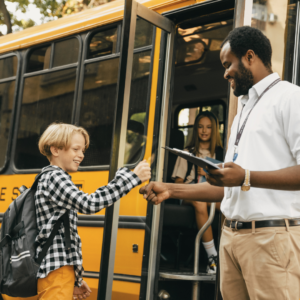
School zones and bus stops are where many back-to-school fender-benders happen. Speeds are low, but the risk to walkers and small children is high. Slowing down and staying alert here protects lives first and your vehicle second.
- Obey posted school-zone speeds, even when you do not see kids right away.
- Stop for school buses with flashing red lights and stay stopped until they turn off.
- Watch crosswalks closely, especially near Missouri State and Drury where students cross mid-block.
- Never pass a car that has stopped for a pedestrian. There may be someone you cannot see.
Rear-end taps and side-swipes are common in stop-and-go school traffic. They may look minor, but the damage under the panel is often worse than it appears from the outside.
Helping Your New Teen Driver Stay Safe
Many Springfield teens earned a license over the summer, and others are just starting with a permit. New drivers have the skills to steer and brake, but they are still learning to read traffic and react to the unexpected. A few conversations now can prevent a serious crash later.
- Ride along during the first weeks of school so you can coach through busy intersections.
- Set a no-phone rule for the car. Distraction is one of the top causes of teen collisions.
- Talk through school-zone and bus rules before they drive those routes alone.
- Encourage extra following distance. Teens often stop later than experienced drivers.
It also helps to walk your teen through what to do if they are ever in an accident. Knowing the steps ahead of time keeps a stressful moment from becoming a bigger problem.
Simple Car Checks That Help You Avoid a Crash
Being able to see clearly and stop quickly is what keeps you out of a collision. A few quick checks before the school year picks up can improve your reaction time when it matters most. These are things any driver can look at to stay safer on busy roads.
- Windshield wipers: Streaky or worn wipers hurt visibility in rain and morning glare. Clear sight lines help you spot a stopped car sooner.
- Tire pressure and tread: Proper pressure and good tread help you stop faster and steer with control, which matters most in sudden school-zone stops.
- Lights and signals: Working headlights, brake lights, and blinkers help other drivers know what you are doing before they get too close.
- Clean windows and mirrors: Good visibility in every direction gives you time to react to kids and cyclists.
Each of these checks has one goal: giving you the time and control to avoid a crash before it happens.
What to Do if You Are in an Accident This School Year
Even careful drivers get caught in busy school traffic. If a collision does happen, staying calm and knowing the right steps protects both you and your vehicle. Here is a simple order to follow.
- Check for injuries first and move to a safe spot if you can.
- Call the police and get a report, even for a minor bump near a school.
- Take photos of the damage, the scene, and the other vehicle.
- Exchange insurance and contact information with the other driver.
After the paperwork, the next step is getting your vehicle repaired the right way. This is where the choices you make really matter.
You have the right to choose your own body shop in Missouri. Your insurance company may suggest a shop, but the decision is always yours. Choosing a shop you trust helps make sure the repair is done for your safety, not just for the lowest price.
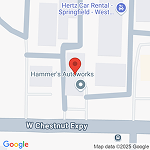
At Hammer’s Autoworks, repairs are built around OEM parts, the same parts your vehicle was designed to use. OEM parts fit correctly and help safety features like sensors and crumple zones work the way they should in a future crash. That is a big reason they matter more than cheaper aftermarket parts.
Quality collision work also comes with a lifetime warranty, so you can drive away confident the repair will hold. And because collision damage is often hidden beneath the panels, estimates are done in person rather than over the phone. A phone estimate simply cannot catch the damage you cannot see, and an in-person look gives you an accurate picture from the start.
Frequently Asked Questions
What should I do right after a minor accident near a school?
Check for injuries, move to a safe spot, call the police for a report, take photos, and exchange insurance information. Then have the damage looked at in person, since even small bumps can hide bigger problems underneath.
Do I have to use the body shop my insurance recommends?
No. In Missouri you have the right to choose your own body shop. Your insurance may suggest one, but the final choice is always yours.
Why do OEM parts matter for collision repair?
OEM parts are the parts your vehicle was designed to use. They fit correctly and help your car’s safety features perform the way they should if you are ever in another crash.
Can I get an estimate over the phone?
No. Collision damage is often hidden under the panels, so a phone estimate would not be accurate. An in-person estimate gives you a true picture of what your vehicle needs.
Drive Safe, and Know Where to Turn
As Springfield’s campuses fill up, a few smart habits can keep your family and your vehicle out of harm’s way. And if an accident ever does happen, you deserve a repair done for safety and built to last. Hammer’s Autoworks, we’re gonna fix it right.