

If you’ve opened your auto insurance renewal lately and felt a little shocked, you’re not alone. Across the country, drivers are seeing higher auto insurance premiums, higher deductibles, and more claim limitations—often without a clear explanation of why.
At the same time, many policyholders are discovering that their insurance doesn’t cover as much as they assumed once an accident actually happens.
For drivers, this shift can feel frustrating and confusing, especially in the stressful aftermath of a collision. Understanding why auto insurance is changing, what those changes mean for repairs, and how to protect yourself before an accident happens can make a major difference.
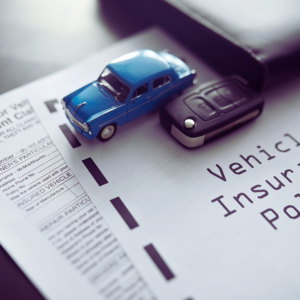
Why Auto Insurance Premiums Are Rising
Auto insurance rates have been steadily increasing, and it’s not due to a single factor. Instead, several industry-wide pressures are driving up costs for insurers, which are then passed down to drivers.
Higher Repair Costs Are Impacting Claims
Modern vehicles are more advanced than ever. While new safety features help prevent accidents and reduce injuries, they also make repairs more complex and expensive.
Even a seemingly minor collision can involve:
- Sensors and cameras behind bumpers
- Advanced driver-assistance systems (ADAS)
- Specialized materials like aluminum or high-strength steel
These components require precise repairs and recalibration. As repair costs increase, insurance companies pay out more per claim, which directly impacts premium pricing.
Insurance Companies Are Paying Out More Than Before
In recent years, insurers have faced increased losses due to:
- More severe accidents
- Higher medical expenses
- Supply chain disruptions that delay repairs and increase rental costs
To stay profitable, many insurance companies are tightening coverage, raising rates, or both. While that helps insurers manage risk, it often leaves drivers feeling underprotected.

Why Policies Are Covering Less After an Accident
One of the biggest surprises for drivers happens after a claim is filed. Many people assume their insurance will simply “take care of it,” only to learn there are limits, exclusions, or cost-saving measures built into their policy.
Lower Repair Allowances and Cost Controls
Some insurance policies now:
- Push for lower labor rates
- Limit the use of OEM (Original Equipment Manufacturer) parts
- Favor repair methods that reduce costs rather than restore the vehicle fully
While these practices may save the insurer money, they don’t always align with what’s best for the vehicle’s safety, performance, or long-term value.
OEM Parts vs. Aftermarket Parts: Why It Matters More Than Ever
As insurers look for ways to cut claim costs, aftermarket or recycled parts are often suggested. While these parts may be cheaper, they’re not always equivalent in fit, function, or safety.
The Role of OEM Parts in Safe Repairs
OEM parts are designed specifically for your vehicle by the manufacturer. They:
- Fit correctly without modification
- Maintain factory crash performance
- Support proper sensor function
When non-OEM parts are used, even small differences can affect how a vehicle performs in a future collision. This is especially important as cars rely more heavily on integrated safety systems.
What These Insurance Changes Mean for Drivers
With rising premiums and reduced coverage, drivers are taking on more responsibility—often without realizing it.
Out-of-Pocket Costs Are Becoming More Common
Between higher deductibles and limited repair coverage, drivers may face:
- Paying more upfront after an accident
- Covering the difference between approved repairs and proper repairs
- Longer claim timelines due to disputes or approvals
Understanding your policy before an accident happens can help avoid these surprises.
How Drivers Can Be Better Prepared
While you can’t control industry trends, you can take steps to protect yourself and your vehicle.
Know Your Policy Before You Need It
Take time to review:
- Your deductible amount
- Whether OEM parts are covered
- Any policy language around repair limitations
If something isn’t clear, ask questions before an accident forces quick decisions.

You Have the Right to Choose Your Auto Repair Shop
Many drivers don’t realize they are legally allowed to choose where their vehicle is repaired. Insurance companies may recommend a shop, but the final decision is yours.
Choosing a qualified auto body repair shop that prioritizes proper repairs—not shortcuts—can make a significant difference in safety and peace of mind.
Focus on Safety, Not Just Cost
After an accident, getting back on the road quickly is important—but getting back on the road safely is critical. Proper repairs help ensure:
- Structural integrity is restored
- Safety systems function as designed
- The vehicle performs correctly in future collisions
The Bottom Line: Be an Informed Driver
Auto insurance is evolving, and not always in ways that benefit drivers. Rising premiums and reduced coverage mean it’s more important than ever to understand your policy, your rights, and your options after an accident.
Being informed before something happens allows you to make better decisions when it matters most—helping protect both your vehicle and the people inside it.