
Cold temperatures don’t just impact roads—they also reveal problems hiding beneath your vehicle’s surface. As winter sets in, drivers often notice issues they hadn’t seen before: cracked paint, misaligned panels, unusual noises, or visible gaps. In many cases, these aren’t new problems at all. They’re signs of poor past collision damage repairs finally being exposed by winter weather.
Understanding how cold conditions affect your vehicle can help you spot safety concerns early and avoid bigger issues down the road.
Why Winter Weather Is Tough on Past Collision Damage Repairs
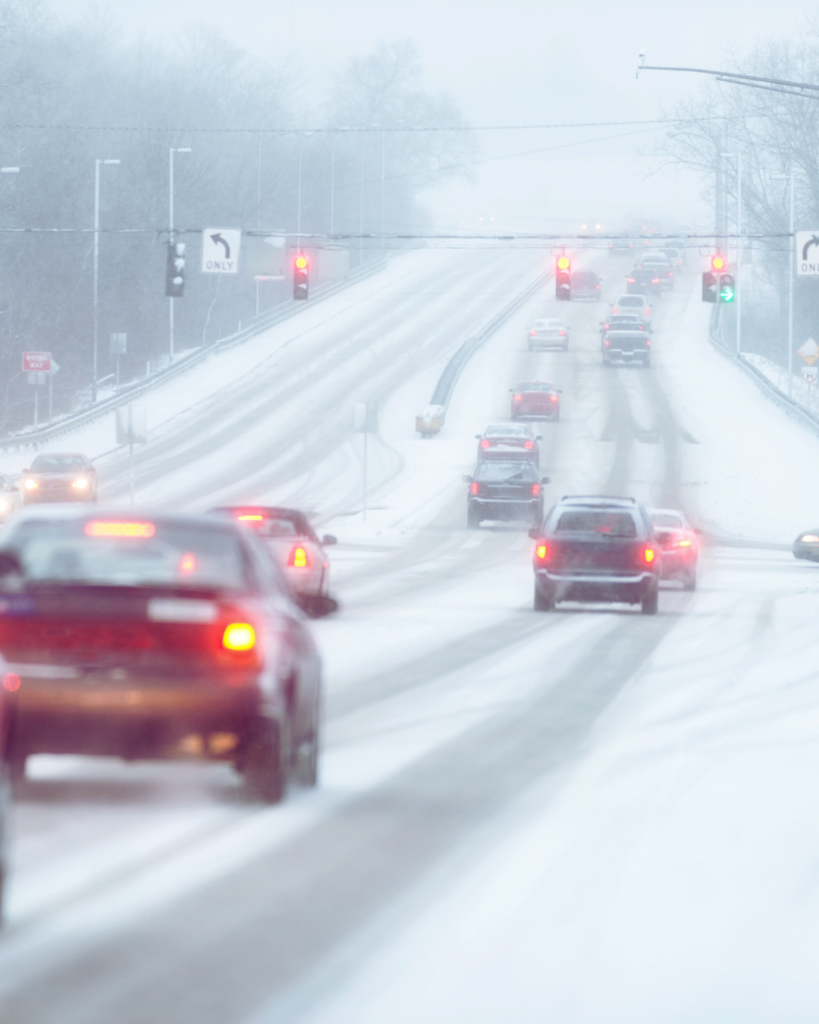
Winter creates a perfect storm for revealing subpar auto body repairs. Materials behave differently in cold temperatures, and snow, ice, and road treatments add extra stress to repaired areas.
Here’s why problems often surface this time of year:
- Cold causes materials to contract, putting pressure on poorly fitted panels
- Moisture seeps into cracks or gaps, leading to rust or paint failure
- Road salt accelerates corrosion, especially where protective coatings were skipped
- Ice buildup adds weight and stress to already weakened areas
Repairs that were rushed, incomplete, or done with improper parts may look fine in warm weather, but winter rarely lets shortcuts slide.
Common Signs of Poor Past Auto Body Repairs in Winter
If your vehicle was previously in an accident, winter conditions can make repair flaws easier to spot. Watch for these red flags:
Cracked or Peeling Paint
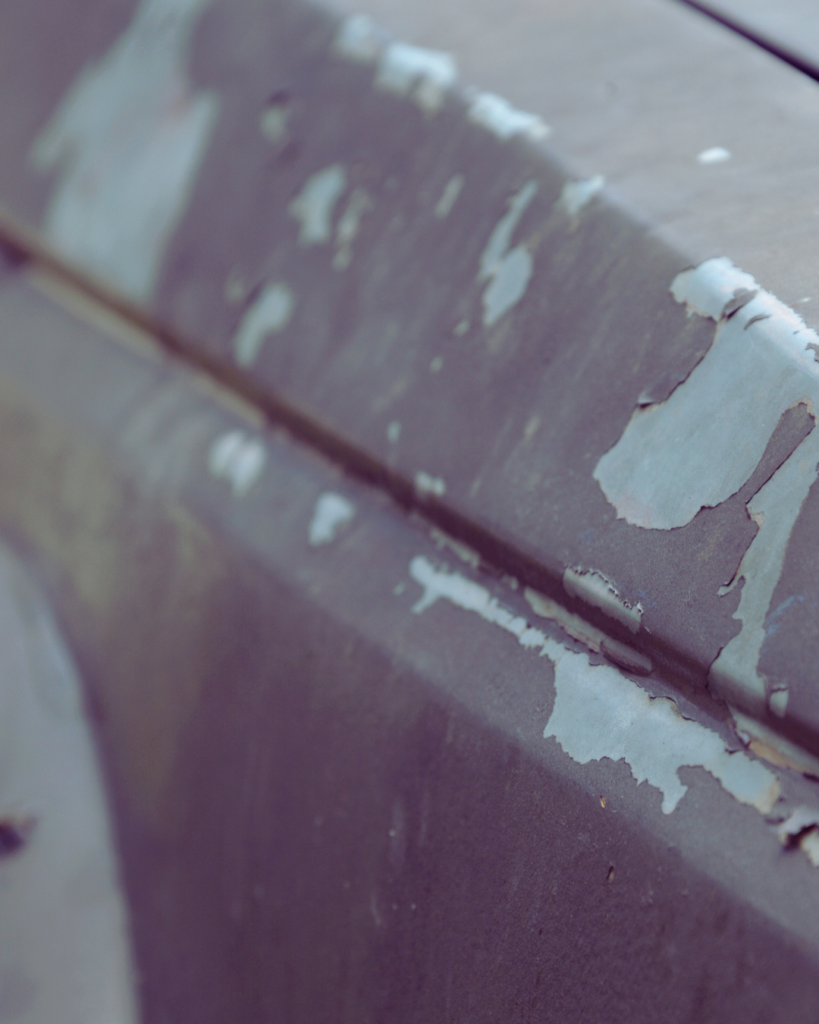
Cold temperatures cause paint to harden and lose flexibility. If the surface wasn’t properly prepped or sealed during a past repair, paint may begin to crack, peel, or bubble—especially around repaired panels.
Panel Gaps and Misalignment
As metal contracts in cold weather, panels that weren’t aligned correctly may shift. Uneven gaps around doors, hoods, or bumpers can become more noticeable and may impact vehicle safety.
Rust Forming Sooner Than Expected
Rust often starts where protective coatings are missing or improperly applied. Winter moisture and road salt can accelerate corrosion in areas that should have been sealed during repair.
Loose or Rattling Components
Clips, fasteners, and mounting points that weren’t replaced or secured properly may loosen as temperatures drop, causing rattles or vibrations that weren’t present before.
Why These Issues Are More Than Cosmetic
What looks like minor damage can point to deeper concerns. Poor auto body repairs can affect:
- Structural integrity during a future collision
- Airbag and safety system performance
- Panel stability at highway speeds
- Long-term durability of the vehicle
Winter doesn’t create these problems—it simply reveals them. And once exposed, they can worsen quickly if left unaddressed.
How Proper Collision Repair Prevents Winter-Related Issues
Quality auto body repair is designed to withstand temperature changes, moisture, and everyday driving conditions year-round. Proper repairs include:
- Correct panel alignment and fit
- Proper surface preparation and sealing
- Use of OEM-approved repair procedures
- Replacement—not reuse—of damaged fasteners and components
When repairs are done right the first time, winter weather becomes just another season rather than a stress test.
When to Have Your Vehicle Checked
If you notice new paint issues, panel movement, or rust during the winter months—especially on a vehicle with prior collision damage—it’s worth having the damage evaluated. Catching problems early can help prevent further deterioration and ensure your vehicle remains safe to drive.
Final Thought
Winter has a way of revealing what’s underneath the surface. When past auto body repairs weren’t done correctly, cold temperatures, moisture, and road conditions often bring those issues to light—sometimes at the worst possible moment. What starts as a small cosmetic concern can quickly turn into a safety risk if structural components, panels, or protective coatings fail when they’re needed most.
That’s why fixing collision damage the right way the first time matters. Proper repairs help protect your vehicle’s structure, ensure safety systems perform as designed, and prevent small issues from turning into costly problems later. In many cases, quality repairs don’t just save money over time—they help protect the people inside the vehicle.
If winter weather is exposing signs of poor past repairs, Hammer’s Autoworks is here to help. Our team focuses on professional, safety-driven auto body repair that restores your vehicle the way it was meant to be—so you can drive with confidence no matter the season.